Encapsulated Calcium Propionate


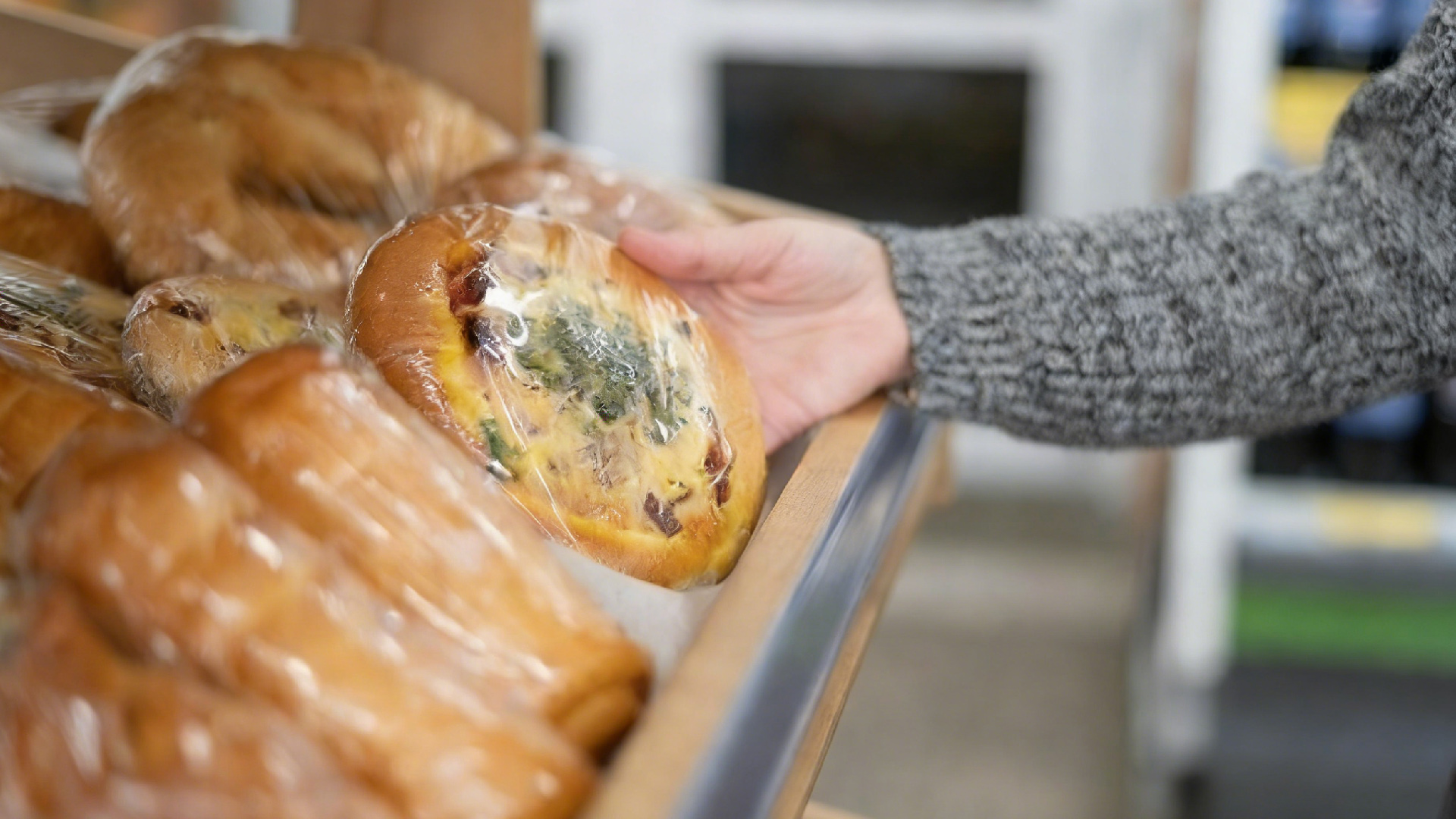
For food and beverage manufacturers, encapsulated calcium propionate (calcium propionate micro-encapsulated in GRAS-certified natural carriers—maltodextrin, corn starch, gum arabic, or plant-based lipid shells) solves critical formulation, processing, sensory, and preservation pain points associated with unencapsulated calcium propionate. Normal calcium propionate, while effective, has inherent limitations like off-flavors, fermentation interference, poor dispersion in non-aqueous matrices, and hygroscopic caking; encapsulation addresses these by creating a protective, controlled-release barrier, amplifying its preservative efficacy while preserving product quality, processing efficiency, and consumer appeal.
Eliminate Off-flavors & Sensory Distortions
Normal calcium propionate has a subtle but detectable metallic, soapy, or slightly acrid aftertaste that becomes pronounced in low-flavor, high-quality products (e.g., white bread, plain cakes, unsweetened yogurt, neutral plant-based milks, and baby food). At effective preservative doses, it can also dull natural flavors (e.g., fruit notes in jam-filled pastries, creamy notes in dairy) and compromise the clean taste consumers demand— a major issue for premium and basic staple products alike.
The microcapsule shell physically isolates calcium propionate from the product’s flavor matrix, preventing its off-notes from interacting with taste receptors or natural flavor compounds. Encapsulation ensures the preservative is only released where needed (for mold/yeast control) and not during consumption, delivering a neutral sensory profile even at high antifungal doses. For example, encapsulated calcium propionate preserves plain white bread for 14+ days without the soapy aftertaste of free calcium propionate, and maintains the clean creaminess of unsweetened plant-based milk.
Prevent Unintended Inhibition of Fermentation Strains
Calcium propionate is a yeast and mold inhibitor, but free calcium propionate releases instantly in dough/batter or fermented beverage mash (e.g., kefir, kombucha, sourdough). This causes partial inhibition of beneficial fermentation microbes (baker’s yeast, lactic acid bacteria), leading to under-fermentation: small, dense bread/cakes, slow rising dough, flat fermented beverages, or inconsistent sourness in sourdough. Manufacturers are forced to use lower preservative doses (risking mold growth) or extra yeast (increasing costs) to compensate— a lose-lose for production.
Encapsulation enables targeted controlled release of calcium propionate, triggered by baking/cooking heat (120°C+), high moisture, or pH changes during the final stages of processing (not the initial fermentation phase). The microcapsules remain intact during dough rising/fermentation, protecting beneficial microbes, then break down during baking/sterilization to release the preservative— ensuring full fermentation (fluffy bread, properly carbonated fermented drinks) and long-term mold/yeast protection in the finished product. This is a game-changer for commercial bakeries and fermented beverage manufacturers, eliminating the need for extra yeast and reducing spoilage waste.
Stop Unwanted Reactions & Preserve Texture & Nutrition of Food
Normal calcium propionate’s calcium ions react with key food/beverage ingredients, compromising quality and nutritional integrity:
- Reacts with dairy and plant proteins (yogurt, cream cheese, soy milk) to cause mild coagulation, clumping, or a gritty texture.
- Reacts with phosphates and carbonates (in baked goods, fortified beverages, creamy sauces) to form insoluble calcium precipitates, leading to clouding (in clear beverages) or gritty bits (in sauces/pastries).
- Reduces the bioavailability of added minerals (iron/zinc) and B-vitamins (in fortified cereals, meal replacements) via chelation, undermining nutritional claims.
The encapsulation shell physically sequesters calcium propionate, preventing direct contact between calcium ions and other ingredients. This eliminates coagulation, precipitation, and chelation, preserving the smooth texture of dairy and plant-based products, clarity of fortified beverages, and bioavailability of added nutrients. For example, encapsulated calcium propionate can be used in iron-fortified cereal bars without reducing iron absorption, and in yogurt without causing clumping— a critical benefit for health-focused and fortified food manufacturers.
Ensure Uniform Dispersion & Consistent Preservative Efficacy
Normal calcium propionate is water-soluble but disperses poorly in non-aqueous/high-viscosity/low-moisture formulations (e.g., nut butters, oil-based salad dressings, hard candies, powdered drink mixes). It clumps, settles, or creates localized "hot spots" of high concentration (risking regulatory non-compliance) and low-concentration areas (risking rapid mold/yeast spoilage). This leads to inconsistent shelf life across batches, consumer complaints, and costly product recalls— and requires extra mixing time/equipment to mitigate.
Encapsulated calcium propionate is milled into tiny, uniform microcapsule particles that disperse evenly in all matrices (water-based, oil-based, high-viscosity, low-moisture). No clumping, settling, or concentration spikes— ensuring the exact preservative dose is distributed throughout the product, meeting global regulatory limits (e.g., FDA’s GRAS maximum use levels for baked goods) and delivering consistent mold/yeast protection (and shelf life) across every batch. For oil-based nut butters (a high-mold-risk product), this means uniform antifungal protection without extra emulsifiers or mixing steps.
If you you are wondering where to buy factory price bulk encapsulated calcium propionate powder for your formulations and products, Tianjiachem, as one food and beverage solutions supplier, will always provide you not just premium products with ISO22000, ISO9001, FDA, Kosher, HALAL certificates, but also solutions to help drive your business forward in the global market. Contact us today to discuss how we can collaborate and meet your specific needs.
1.More than 10 years experience with ISO certified,
2.Factory of flavor and sweetener blending,Tianjia Own Brands,
3.Research on the Market Knowledge & trend follow up,
4.Timely Deliver & Stock Promotion on hot demanding products,
5.Reliable & Strictly follow the contract responsibility & after sales service,
6. Professional on International Logistic Service, Legalization documents & Third Party Inspection process.