
The demand for plant protein beverages is growing as consumers look for convenient, nutritious and plant-based ways to increase their daily protein intake. From sports nutrition and recovery drinks to meal replacements and functional beverages, plant proteins are becoming important ingredients for modern beverage formulation.
For food and beverage manufacturers, however, developing a successful plant protein beverage involves more than simply adding protein powder. Protein source, amino acid profile, solubility, taste, texture, stability and processing performance all need to be considered.
Pea protein and rice protein are two important ingredients used in plant-based protein formulations. When appropriately selected or combined, they can help manufacturers develop protein beverages designed for sports nutrition, active lifestyles and everyday nutritional needs.
Tianjia provides plant protein ingredients and customized plant-based solutions for food, beverage and nutritional product manufacturers, with a portfolio including pea protein, rice protein, soy protein, mung bean protein and other plant proteins.
What is a Plant Protein Beverage?
A plant protein beverage is a drink formulated with protein derived from plants rather than conventional dairy sources.
Common plant protein ingredients include:
- Pea protein
- Rice protein
- Soy protein
- Mung bean protein
- Fava bean protein
- Oat protein
- Quinoa protein
- Other plant protein blends
Plant protein beverages are usually divided into following five types: ready-to-drink (RTD) shakes, protein drinks, meal replacement beverages, dairy-free nutritional drinks, and sports nutrition products.
For manufacturers, the selection of protein depends on the target protein content, nutritional positioning, taste, mouthfeel, solubility, processing requirements and target market.
Tianjia plant protein solutions include both raw materials and formulation options, with unflavored and customizable flavor versions available according to product requirements.

Why Plant Protein Beverages Become Popular in the Global Market?
The plant protein industry is moving beyond traditional meat alternatives toward direct nutrition applications, including sports nutrition, protein beverages, functional foods, snacks and protein-fortified products.
RTD protein beverages are particularly attractive because they combine protein nutrition with convenience. Consumers can use them after exercise, between meals, at work, while traveling or as part of an everyday nutrition routine.
For manufacturers, this creates opportunities to develop:
- High-protein RTD beverages
- Plant-based sports drinks
- Post-workout protein shakes
- Plant-based meal replacement drinks
- Protein-fortified smoothies
- Dairy-free nutritional beverages
- Functional protein beverages
- Protein coffee and other protein-plus beverages
The uploaded plant-protein industry research also identifies sports nutrition, protein powders, RTD beverages and functional foods as important applications for plant protein ingredients.
Pea Protein for Plant Protein Beverages
Pea protein is one of the most widely used plant proteins in modern food and sports nutrition formulations.
It is derived from peas and can be used in protein powders, bars, beverages, dairy alternatives and meal replacement products. Tianjia’s pea protein product information specifically identifies beverages and dairy alternatives among its applications.
Pea protein is particularly interesting for manufacturers developing high-protein products because it can be incorporated into formulations designed for plant-based and vegan consumers.
Research has also investigated pea protein in resistance-training applications. A randomized controlled trial published in 2024 compared pea protein supplementation with whey protein during an 84-day resistance-training program and found no significant differences between the groups in changes in muscle strength or muscle mass.
However, manufacturers should avoid assuming that all pea protein products are nutritionally identical to whey protein. Protein quality depends on factors including amino acid composition, digestibility, protein dose and processing.
Rice Protein for Plant Protein Beverages
Rice protein is another plant protein used in nutritional and beverage formulations.
Rice protein can be used as an individual protein source or combined with other plant proteins to create a complementary protein profile. It is particularly relevant for manufacturers looking to develop dairy-free and plant-based nutritional products.
Research has also investigated rice protein as an alternative to whey protein in resistance-training applications. An 8-week study found that trained males consuming rice or whey protein while participating in resistance training experienced training adaptations without significant differences attributable to the protein source.
For manufacturers, rice protein can therefore be considered as part of a broader plant protein formulation strategy.
Tianjia’s plant protein portfolio includes rice protein alongside pea, soy, mung bean and other plant protein ingredients.
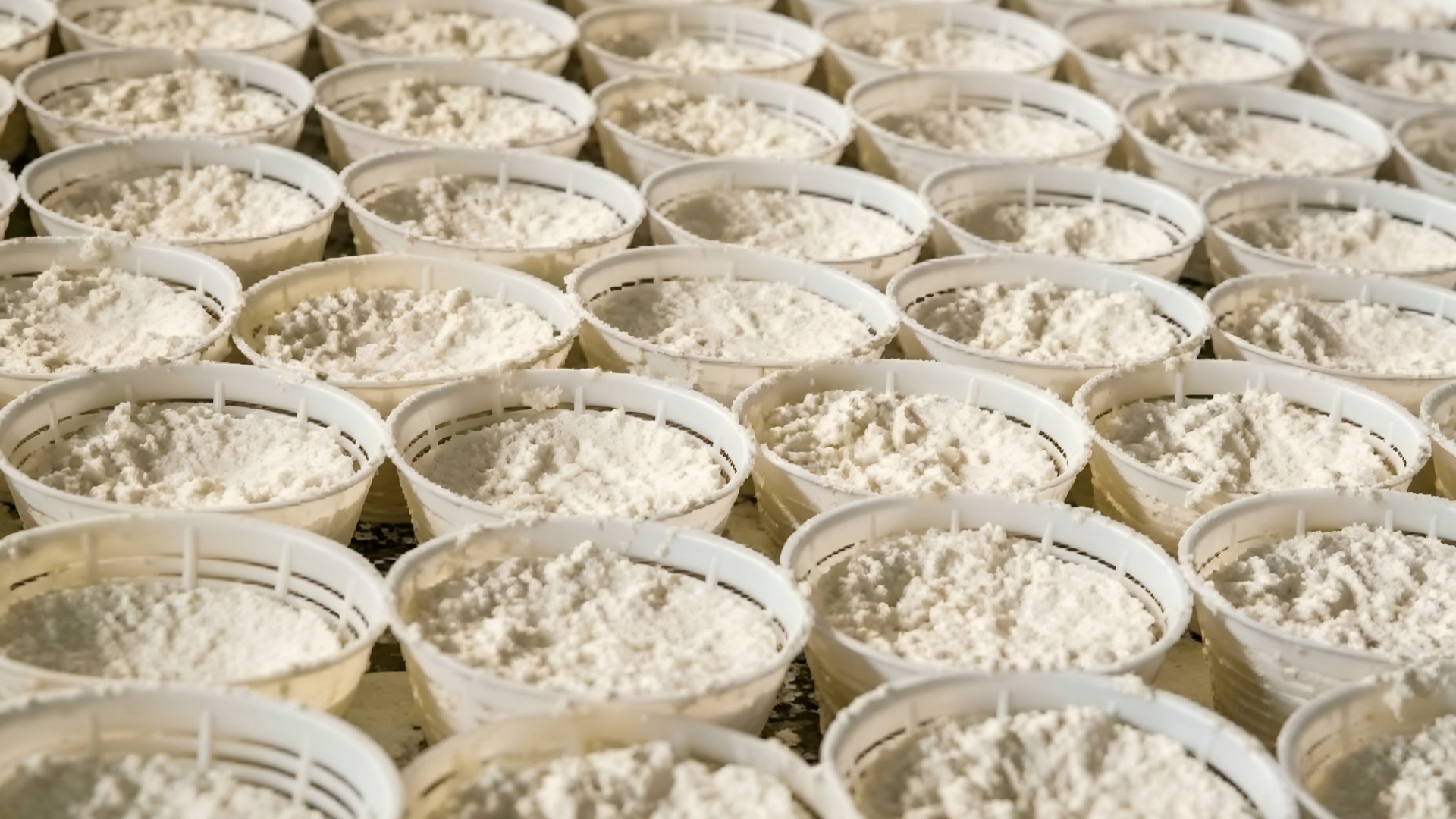
Plant Protein Blendings of Pea Protein and Rice Protein
Combining different plant proteins can be an effective formulation strategy.
Pea protein and rice protein have different amino acid profiles. By combining complementary protein sources, manufacturers can formulate products designed to provide a more balanced nutritional profile.
Research published in 2024 compared a plant protein blend containing pea, brown rice and canola proteins with whey protein in resistance-trained adults. The study reported comparable post-exercise myofibrillar protein synthesis responses between the plant-protein blend and whey under the conditions studied.
This does not mean that every plant protein blend is equivalent to whey. Protein source, dose, amino acid composition, digestibility and formulation all matter.
For product developers, however, the research demonstrates why plant protein blending is an increasingly relevant strategy.
Tianjia’s plant protein approach goes beyond supplying individual raw materials. The company states that its final plant protein formulation can be adjusted according to the customer’s requirements and target regional market.
How Do Plant Protein Beverages Aid in Muscle Recovery?
Plant protein beverages can support muscle recovery by supplying amino acids that the body uses for muscle protein synthesis after exercise.
Resistance exercise increases the need for adequate dietary protein to support muscle repair and adaptation. A protein beverage consumed as part of an appropriate diet can provide essential amino acids following exercise.
Recent research has examined whether plant proteins can support recovery and muscle protein synthesis compared with animal proteins. A 2025 systematic review of plant-based proteins and recovery from resistance-exercise-induced muscle damage found evidence that appropriately formulated plant proteins can support recovery, while outcomes vary according to protein source, dose and formulation.
Protein quality is particularly important.
Protein quantity
The total amount of protein consumed is an important consideration for athletes and active consumers.
Essential Amino Acids
Essential amino acids cannot be synthesized by the human body and must be obtained from the diet.
Leucine
Leucine plays an important role in signaling pathways associated with muscle protein synthesis.
Digestibility
Protein quality is influenced by how effectively dietary protein is digested and its amino acids become available.
Protein blending
Combining complementary plant proteins can help manufacturers formulate products with a broader amino acid profile.
For this reason, a well-designed plant protein beverage should focus on protein quality as well as protein quantity.
Tianjia’s sports nutrition research also highlights the increasing interest in blended plant protein systems that balance nutritional value, taste, texture, cost and formulation performance.

Plant Protein Beverages with the Highest Protein Content
There is no single plant protein beverage that can be described as having the highest protein content worldwide. Protein levels vary according to the brand, serving size, protein source and formulation.
For B2B beverage manufacturers, a more useful question is:
How can I formulate a high-protein plant beverage while maintaining good taste, texture, solubility and stability?
This is an important consideration because increasing protein concentration can also affect:
- Viscosity
- Sedimentation
- Mouthfeel
- Flavor
- Solubility
- Processing stability
Pea protein, rice protein and other plant proteins can be used individually or in blends depending on the desired formulation.
Tianjia plant protein series are positioned for customized applications, and the company states that its formulations can be adapted to customers’ specific requirements and target markets.
What Is Plant-Based Whey Protein Made From?
This question requires an important technical distinction.
Traditional Whey Protein
Traditional whey protein is a milk-derived protein, derives from animal sources.
Plant Protein as a Whey Alternative
Pea protein, rice protein, soy protein and other plant proteins can be used as alternatives to conventional whey protein in plant-based beverages.
Animal-Free Whey Protein
A different technology is precision fermentation.
Precision fermentation uses microorganisms to produce specific proteins without obtaining the protein directly from conventional dairy production. This emerging technology is being investigated for animal-free dairy proteins and whey alternatives.
Therefore:
Plant protein ≠ whey protein.
And:
Animal-free whey ≠ conventional plant protein.
For manufacturers and consumers, understanding this distinction is important when developing accurate product positioning and ingredient labels.
Key Formulation Considerations for Plant Protein Beverages
Developing a high-quality plant protein beverage requires careful consideration of several factors.
Protein Solubility
The protein needs to remain adequately dispersed throughout the beverage. Poor solubility may lead to sedimentation or an undesirable mouthfeel.
Taste
Certain plant proteins can produce characteristic earthy, bitter or beany notes. Protein selection and flavor systems can therefore be important.
Tianjia specifically positions its plant protein solutions around reduced beany flavor, good solubility, smoother mouthfeel and customizable formulations.
Texture and Mouthfeel
High protein levels can increase viscosity and create a powdery or chalky sensation.
The protein ingredient, processing conditions and stabilizer system need to be considered together.
Protein Quality
Protein source, amino acid profile and digestibility should be considered when developing products intended for sports and active nutrition.
Processing Stability
Heat, pH, minerals and other formulation components can affect protein stability. RTD beverages therefore require both ingredient and process optimization.
Plant Protein Beverage Applications
Plant protein ingredients can be incorporated into a wide range of finished products, including:
| Application | Potential Protein Solution |
|---|---|
| Sports nutrition drinks | Pea protein, rice protein, protein blends |
| RTD protein shakes | Pea protein, rice protein, customized blends |
| Meal replacement beverages | Plant protein blends |
| Dairy-free beverages | Pea, rice, mung bean and other plant proteins |
| Protein smoothies | Plant protein blends |
| Functional beverages | Plant protein + functional ingredients |
| Vegan nutrition products | Pea, rice, soy and other vegan proteins |
| High-protein food & beverage products | Customized plant protein systems |
The appropriate ingredient depends on the final product’s nutritional target, processing conditions, taste profile and target market.
The Future of Plant Protein Beverages
The next stage of plant protein beverage development will be driven by more than the simple demand for vegan products.
Consumers increasingly expect high protein, good taste, convenience and clear nutritional value in the same product.
For manufacturers, this means the competitive advantage will increasingly come from formulation quality.
Pea protein and rice protein will remain important ingredients, while blended plant proteins and customized formulations can help manufacturers address protein quality, taste and texture requirements.
At the same time, precision fermentation is creating a separate category of animal-free dairy proteins that may provide additional options for manufacturers seeking whey-like functionality without conventional dairy sourcing.
The broader opportunity is therefore not simply to replace whey.
It is to develop better protein beverages for specific consumer needs and target markets.
Conclusion
Plant protein beverages are becoming an important part of sports nutrition, functional beverages and everyday nutritional products.
Pea protein and rice protein are two important ingredients for manufacturers developing plant-based protein beverages, while carefully designed protein blends can provide additional formulation flexibility.
Plant protein beverages can contribute to post-exercise nutrition and muscle recovery when they provide adequate protein and essential amino acids as part of an appropriate diet. However, protein quality, dose, digestibility and formulation should all be considered rather than relying on a simple plant-versus-animal comparison.
For manufacturers, the future of plant protein beverages will depend on achieving the right balance between protein content, nutritional quality, taste, texture, solubility, stability and cost.
Tianjia supports food, beverage and nutritional product manufacturers with plant protein ingredients and customized plant-based solutions, including pea protein, rice protein and other plant protein sources. Its plant protein solutions are designed around customer requirements and target-market needs. Morover, the nutritional profile of Tianjia plant based protein blendings has received the same level as that of animal whey protein, while removing the beany flavor and having smoothier texture. When our R&D team leader is asked why decided to bring idea of Tianjia plant protein blendings into reality, Robin said it was to bring the concept "More Healthy, More Tasty" to more people's daily life. Thus, they also consulted our experienced flavorists, then choosing the most suitable food flavorings, and launched flavored plant based protein blendings.
References
-
Plant Protein Blend Ingestion Stimulates Postexercise Myofibrillar Protein Synthesis Rates Equivalently to Whey in Resistance-Trained Adults. 2024.
-
Efficacy of Pea Protein Supplementation in Combination with a Resistance Training Program on Muscle Performance in a Sedentary Adult Population. Nutrients, 2024.
-
Effects of Daily 24-Gram Doses of Rice or Whey Protein on Resistance Training Adaptations in Trained Males. Journal of the International Society of Sports Nutrition, 2020.
-
Effect of Plant-Based Proteins on Recovery from Resistance Exercise-Induced Muscle Damage in Healthy Young Adults—A Systematic Review. Nutrients, 2025.
-
Matthews, J. J., et al. Understanding Dietary Protein Quality: DIAAS and Beyond. The Journal of Nutrition, 2025.
-
Grand View Research. Plant-Based Protein Supplements Market.
-
MarketsandMarkets. Plant-Based Protein Market.
-
Innova Market Insights. Plant-Based Food and Beverage Trends.
Tianjia Plant Protein Portfolio



Post time: Sep-08-2026