
Water-Soluble vs Oil-Soluble Edible Flavors: How to Choose for Beverage Production
It is very critical for food and beverage factories to choose appropriate food grade flavor ingredients to ensure the stability during production process make final products have good taster, and get consumers’ satisfaction. Among many considerations, the solubility of food flavor, water-soluble or oil-s-soluble directly affects flavor release and production efficiency. To help global food and beverage industries avoid common mistakes in procurement and identify which type is suitable during actual production scenarios, Tianjia team will talk about it in details in this article.
As for water-soluble food flavor, it is one type that can be completely dissolved in water or aqueous solutions, usually made by dissolving natural or synthetic flavor components in water-soluble solvents such as propylene glycol, ethanol, or distilled water. It has characteristics like fast dissolution, uniform flavor distribution, and strong compatibility with water-based beverages. Oil-soluble food flavor, on the other hand, is dissolved in oil-based solvents such as vegetable oil, glycerin, or propylene glycol monostearate, and is suitable for oil-based or fat-containing beverage systems.
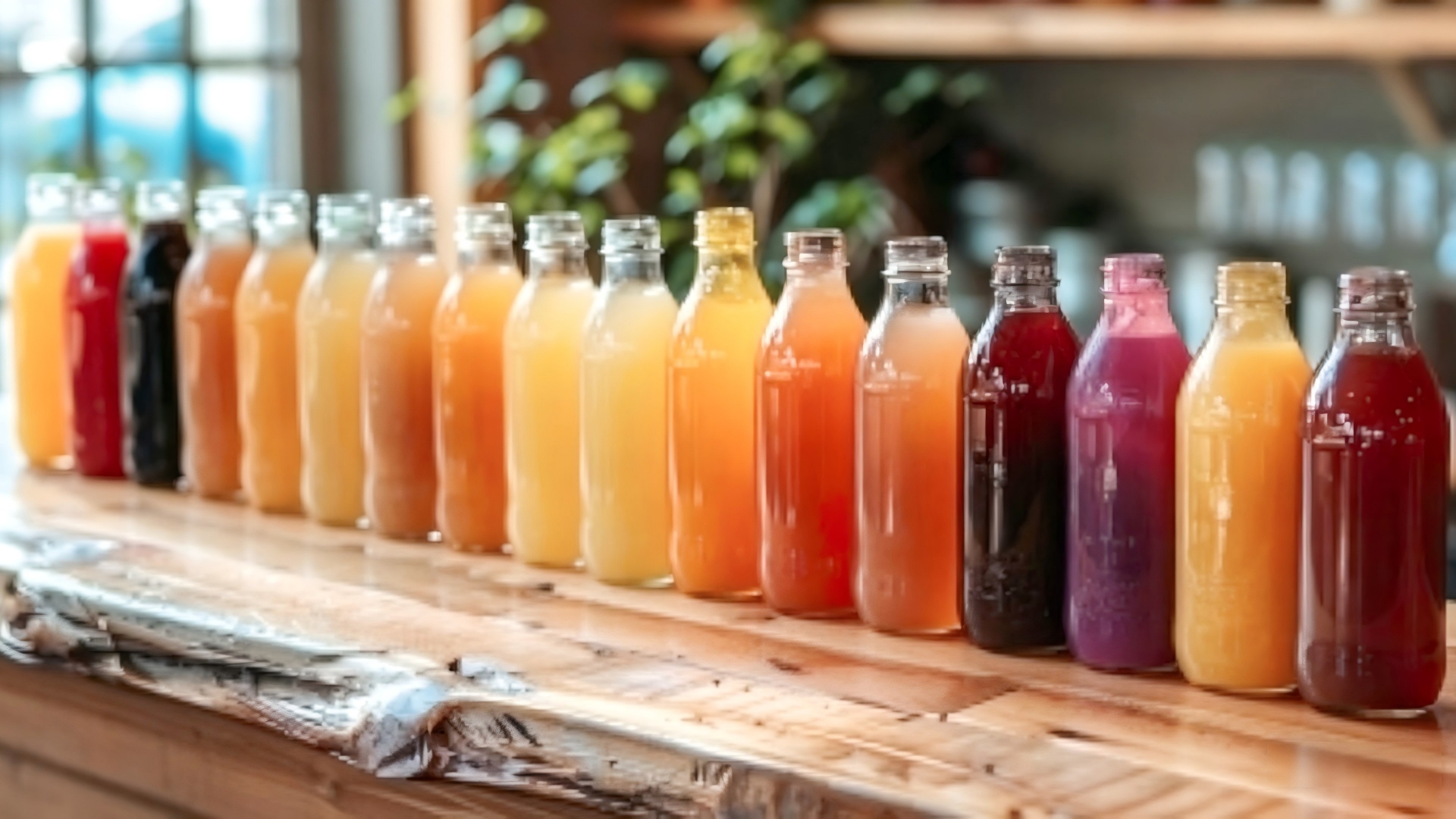
According to the mentioned above, water-soluble food flavors are good choice for water-based beverages like fruit juice, teas, carbonated drinks, mineral water, and plant protein beverages (such as soybean milk and almond milk). For example, in fruit juice production, water-soluble fruit flavors like orange, apple, mango, blueberry, etc. can quickly dissolve in the juice matrix, releasing fresh and natural aroma without stratification or precipitation. In tea beverages, water-soluble floral or fruit flavors like jasmine, peach, lemon can be perfectly blended with the tea soup, enhance the aroma, and get better taste without affecting the clarity of the beverage. Besides, water-soluble flavor is easily to control the dosage, which is conducive to maintaining the consistency of product flavor in large-scale production.
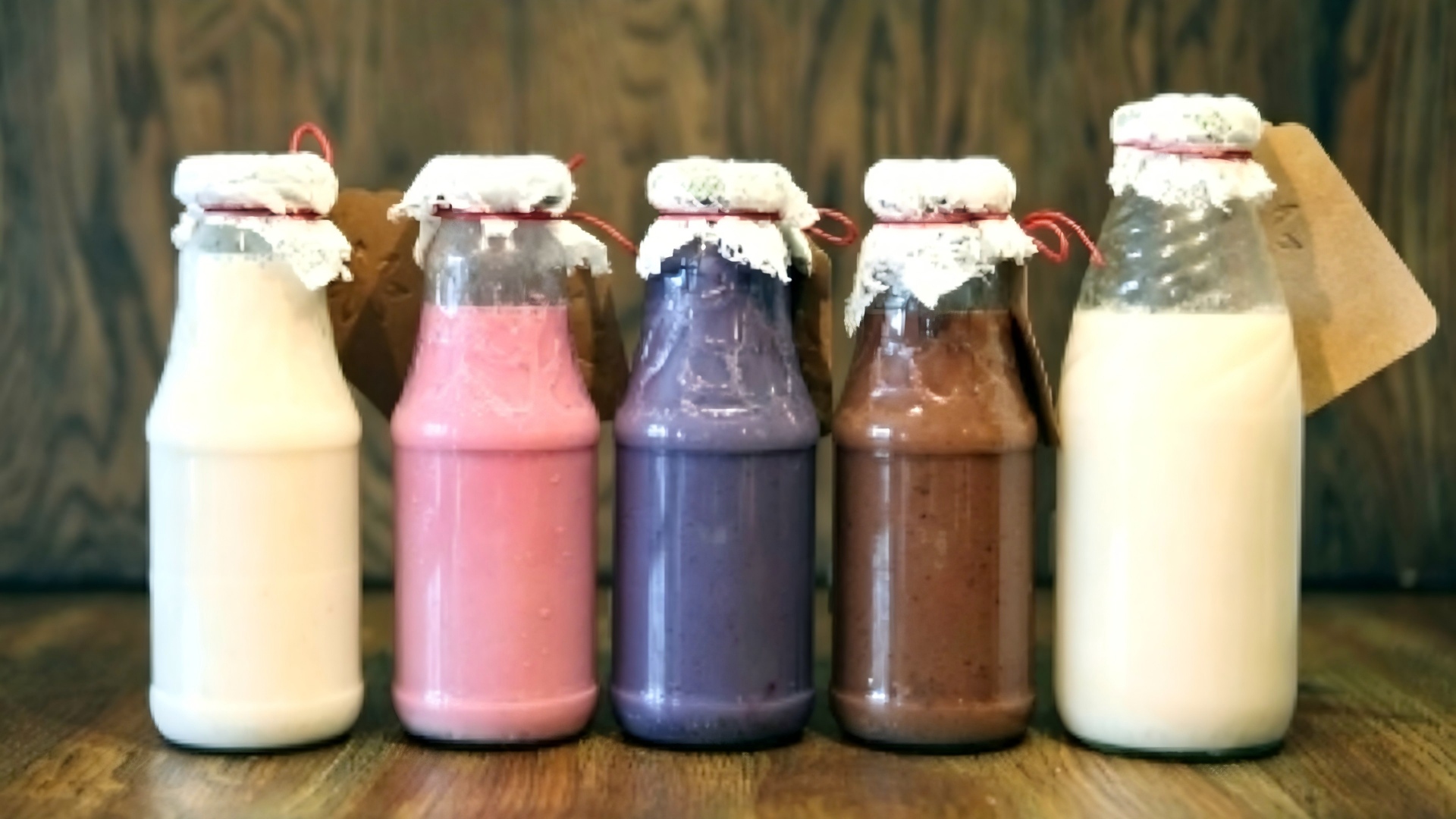
For manufacturers focus on manufacturing milk drinks, dairy teas, chocolate drinks, and nut milk, oil-soluble food flavors are more suitable. For instance, in milk tea production, oil-soluble milk flavors or chocolate flavors can better combine with the fat components in milk, providing a rich and mellow taste that is not easy to fade. In nut milk like peanut milk and walnut milk, oil-soluble nut flavors can enhance the natural nutty aroma and improve the overall flavor hierarchy. Additionally, oil-soluble flavors have better heat resistance than water-soluble ones, making them suitable for beverages that require high-temperature sterilization or processing.
Furthermore, to help global food and beverage manufacturers make a more accurate choice when procuring bulk food flavors, there are three advice we, Tianjia team, would like to share with you:
- Take beverage matrix into consideration: If your final beverage products are with low fat content, choosing water-based flavor, if it’s fat-containing final product, prioritize oil-soluble flavors.
- Never forget temperature: If your production process needs high-temperature (≥121℃), oil-soluble flavors are more appropriate; if your production process happens under the normal temperature or low-temperature, water-soluble flavor meets the requirement
- Flavor release requirement: water-soluble flavor release quickly, suitable for global beverage manufacturers that need to present flavor immediately. Oil-soluble flavor usually release slowly, and last longer, suitable
To help you make a more accurate choice, here are three key selection criteria: 1. Based on the beverage matrix: If your product is a water-based beverage with low fat content, choose water-soluble flavors; if it is a fat-containing beverage,. 2. Consider processing conditions: If your production process involves high-temperature sterilization (above 121°C), oil-soluble flavors with better heat stability are more appropriate; for normal temperature or low-temperature processing, water-soluble flavors can meet the requirements. 3. Focus on flavor release requirements: Water-soluble flavors release quickly, suitable for beverages that need to present flavor immediately; oil-soluble flavors release slowly and last longer, suitable for beverages that require a long-lasting aftertaste.
As a professional food grade flavor manufacturer, we provide both water-soluble and oil-soluble flavors with complete specifications and stable quality. Our flavors are compliant with FDA and international food safety standards, like FDA, Kosher, HALAL, ISO9001, and ISO22000 with pure aroma, high stability, and no harmful additives. Whether you produce fruit juices, teas, dairy drinks, or carbonated beverages, we can provide customized flavor solutions according to your product formula and production needs. Contact us today for a free sample and professional consultation—let us help you choose the most suitable flavor to enhance your beverage competitiveness.
Post time: May-11-2026