
Creatine Supplements Market Trend
As fitness gradually becomes mainstream, healthy conscious and wellness trends continue to rise, end consumers’ demands for sports supplements obviously have promotes the popularization of relative products in the global market, especially ceatine supplements, which is regarded as one cost-effective and high performance sports supplement.
Looking ahead to 2026–2030, the creatine supplements market will be defined by a clear divide: conventional creatine will remain a commodity for budget-focused products, while encapsulated creatine monohydrate will drive innovation, premiumization, and growth. Creatine supplements has been no longer limited to traditional powder forms, new forms like capsules, tablets, ready-to-drinks, and gummies have emerged into global market them due to their convenience for end consumers. As for brands and end-products manufacturers, there are new opportunities to differentiate their products via value-added features (comprehensive efficacy, better taste, more convenient formats, etc.)
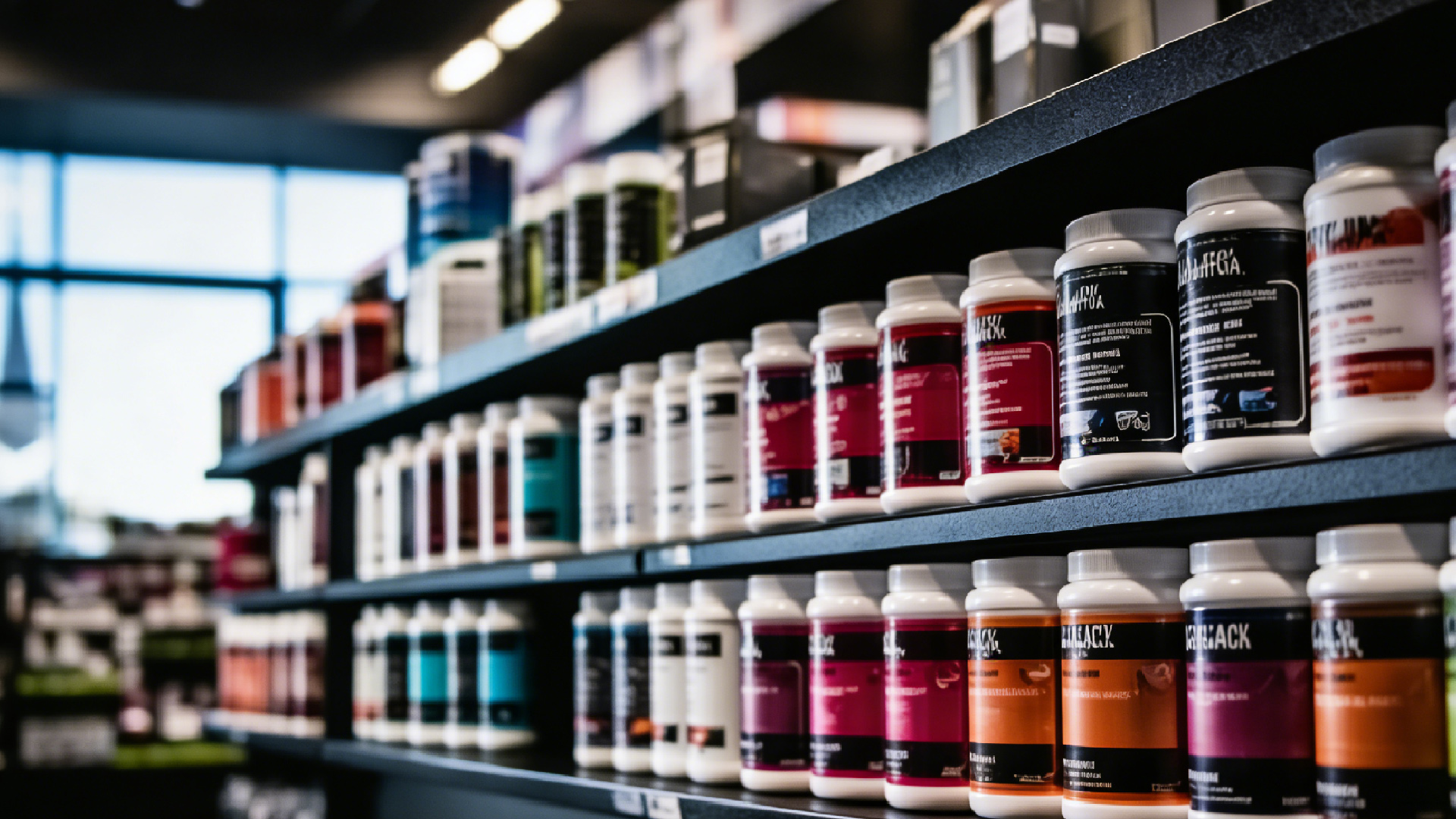
Traditional Creatine Monohydrate
Traditional creatine monohydrate has very obvious cost advantage in the early stage without taking expand creatine supplements forms to capsules, RDT drinks, or gummies. Moreover, for basic formulations (simple protein mixes contains no high-moisture or liquid formats), there’s no need for additional processing steps. For end-consumers, they just need purchase final creatine monohydrate powder packaged in stick, or bottles, then mix them with milk or juices, or milkshake to complete their needed daily intake.
However, for end-supplements manufacturers, if wanna get high-end creatine supplements market share, differentiate their end-products via new creatine formulations using normal creatine monohydrate as basic ingredients, there are some issues they need to solve, which normal creatine monohydrate powder can not make it.
To help creatine supplements manufacturers slove this problem, Tianjia creatine R&D team have conducted many research and tests, and using advanced equipment, finally launches new creatine forms, which are encapsulated creatine monohydrate, and liposomal creatine monohydrate.
Encapsulated Creatine Monohydrate Solutions
Encapsulated creatine monohydrate is creatine monohydrate coated with food-grade, GRAS-certified wall materials including maltodextrin, gum arabic, cyclodextrin, plant lipids and modified starch.
For end nutritional supplement producers and functional beverage manufacturers, although it cost higher than normal creatine monohydrate, encapsulated creatine monohydrate has higher formula compatibility, allowing it blending with other ingredients to make RTD Drinks, gummies, capsules, chewable tablets, portable liquid shots with its characters such as: good water dispersity, non-hygroscopic (no caking, raw material waste <1%, no off-notes (physical barrier masks bitterness), and excellent stability even under 160°C, or in a pH range of 3–9 , retains 95%+ potency after pasteurization or extrusion. Moreover, encapsulated creatine monohydrate won’t react with other ingredients (vitamins, proteins, electrolytes, amino acids, plant extracts, etc.) because of isolation function of its encapsulation. Its encapsulation also completely isolates creatine from taste buds, eliminating bitter and metallic off-notes without heavy use of flavors or sweeteners. Thus the final products can have flavor that satisfy end-consumers. Last not but least, with the encapsulation, final creatine products will have longer shelf life.
In conclusion, using encapuslated creatine monohydrate as ingredients in to your final nutritional supplements production process (eg, creatine supplements, functional beverage, and other nutritional supplements with comprehensive efficacy) can help you break both formulation and formats limitation, break price barrier, differentiate your products among other similar products, improve your repurchase rate, expand your customer groups (not just professional athletes or sports enthusiasts, but also vegetarians and sensitive users because of GI irritation reduction) and gain more market share in your target markets.

Liposomal Creatine Monohydrate Solutions
Liposomal creatine monohydrate—created by encapsulating pure creatine monohydrate within a biocompatible lipid bilayer (typically phospholipids, GRAS-certified and derived from soy, sunflower, or algae). It leverages the lipid bilayer’s protective and bioenhancing properties to solve critical challenges in formulation, processing, shelf stability, and end-product performance, positioning manufacturers for success in the premium supplement market.
Liposomal creatine monohydrate mimics the structure of human cell membranes, enabling enhanced intestinal absorption via passive diffusion and endocytosis. Bioavailability is boosted to 70% or higher, meaning manufacturers can achieve the same muscle-support efficacy with 40–50% lower creatine doses (2–3g per serving). This directly reduces raw material consumption and costs, while eliminating the need to over-formulate.
Besides, lipid bilayer acts as a protective barrier, avoiding direct contact between creatine and the gut lining. Liposomes pass through the stomach intact (resistant to low pH) and release creatine gradually in the small intestine. This eliminates sudden concentration spikes in the gut, reducing GI irritation to near-zero (suitable for sensitive user segments).
Thanks to the lipid layer,components like heat, oxygen, light, and moisture are isolated, liposomal creatine retains 98% of its potency after UHT sterilization (135°C) and high-temperature extrusion (180°C), outperforming standard encapsulated creatine (95% retention). Thus the end products made from liposomal creatine monohydrate have longer shelf life (prolong 30% to 50%), and batch to batch consistency is ensured.
As for formulation R&D, and innovative products development, liposomal creatine monohydrate physically isolates reaction with other formulation ingredients, compatible with electrolytes, vitamins, probiotics, plant proteins, and acidic compounds—breaking the formulation gaps of developing complex, multi-functional, and high value supplements. Besides, it remains stable in pH ranges of 2–10, making it suitable for acidic liquid shots, protein-rich shakes, and probiotic-infused creatine supplements.
In summary, no matter you are one creatine supplements manufcturer, nutritional supplements manufacturer, or functional food and beverages manufacturer, Tianjia prepares ISO9001, ISO22000, Kosher, HALA, FDA, Intertek, SGS certified different creatine solutions for your specific needs, normal creatine monohydrate for your end products using basic formulation, encapsulated and liposomal creatine monohydrate for your innovative high-end end products to expand your customer group, grasp opportunities in high-end products, improve your repurchase rate and gain more market share in your target market.
Post time: Feb-03-2026