
The sports nutrition industry is entering a new stage of development. What was once a category built around professional athletes, bodybuilders, and traditional protein powders has expanded into a much broader active-nutrition market, serving fitness enthusiasts and everyday consumers who want convenient solutions for protein intake, hydration, recovery, energy, and overall wellness.
Recent industry research indicates that the global sports nutrition market continues to grow, with major market trackers generally forecasting approximately 5%–9% CAGR through the early 2030s. Estimates of the 2025 market size vary considerably depending on whether sports drinks, foods, and supplements are included, but the direction is consistent: demand for sports nutrition products and functional ingredients continues to expand.
For manufacturers, this growth creates both opportunities and challenges. Consumers are looking for products that deliver clear nutritional benefits while also offering better taste, convenience, clean-label positioning, and new formats. As a result, the selection and performance of sports nutrition ingredients have become increasingly important in product development.

Proteins Remain the Foundation of Sports Nutrition
Protein continues to be the core ingredient category in sports nutrition. Research shows that protein products remain the backbone of the market, while the category itself is becoming increasingly diversified. Whey and casein continue to play important roles, but plant proteins and blended protein systems are gaining attention as manufacturers respond to changing consumer preferences and supply conditions.
Protein ingredients can be incorporated into a wide variety of products, including:
- Protein powders
- Ready-to-drink (RTD) protein beverages
- Protein bars
- Meal replacement products
- Sports snacks
- Functional beverages
- High-protein foods
Whey Protein Substitute Solutions
Whey protein remains one of the most established protein sources for sports nutrition products. Its strong nutritional profile, high bioavailability, and familiarity among consumers make it an essential ingredient for protein powders, shakes, bars, and other applications.
However, the market is also facing supply and cost pressures. Whey prices have risen sharply since 2023 — by some accounts five-fold amid surging demand — encouraging manufacturers to explore alternative protein sources and blended formulations, such as vegan plant-based proteins. To help address this need, Tianjia has developed Vegeta® Plant Protein Premix, which adjusts the amino acid profile and the BCAA and leucine levels to deliver nutritional content equivalent to whey protein. To date, Vegeta® Plant Protein Premix has been recognized by functional and sports nutrition brands across North and South American markets.
Casein and Milk Proteins
Casein, milk protein concentrate (MPC), and milk protein isolate (MPI) provide manufacturers with additional formulation options for high-protein products.
Casein is known for its slower digestion profile, while milk protein ingredients offer functional properties well suited to protein beverages, bars, and nutritional products. Industry research identifies casein, caseinates, MPC, and MPI as established options for sports and nutritional formulations.
Plant-Based Proteins
Plant-based proteins are becoming increasingly important in sports nutrition. Pea and soy proteins are already widely used, while newer sources such as chickpea, fava bean, and mycoprotein are gaining attention.
According to market research, plant-based sports nutrition is one of the fastest-growing protein segments, with a projected CAGR of approximately 9.21% through 2031.
For ingredient suppliers, the opportunity is not simply to replace animal protein. Manufacturers are increasingly considering blended protein systems that combine different protein sources to balance nutritional value, cost, taste, texture, and formulation performance.
Amino Acids: Targeted Nutrition for Sports Formulations
Proteins are made up of amino acids, making amino acids another important group of sports nutrition ingredients.
Industry research identifies amino acids such as glutamine, beta-alanine, leucine, lysine, L-cysteine, and L-cystine, as well as peptides, as ingredients commonly used in sports and nutritional products.
Branched-Chain and Essential Amino Acids
Leucine, isoleucine, and valine are commonly known as branched-chain amino acids (BCAAs). They can be incorporated into powders, capsules, beverages, and other sports nutrition formats.
Leucine is particularly relevant to protein metabolism and muscle protein synthesis. As manufacturers develop products focused on protein quality and targeted nutritional benefits, amino acid profiles are becoming an important consideration alongside total protein content.
Beta-Alanine
Beta-alanine is another established sports nutrition ingredient. It supports carnosine production in muscle and has particular relevance to high-intensity exercise applications.
Importantly, the latest research emphasizes that the evidence for different sports nutrition ingredients is not uniform. Beta-alanine is considered more context-specific, rather than an ingredient with identical benefits across every sports application.
This highlights an important trend: manufacturers increasingly need to consider not only ingredient popularity, but also evidence, dosage, application, target consumer, and regulatory requirements.
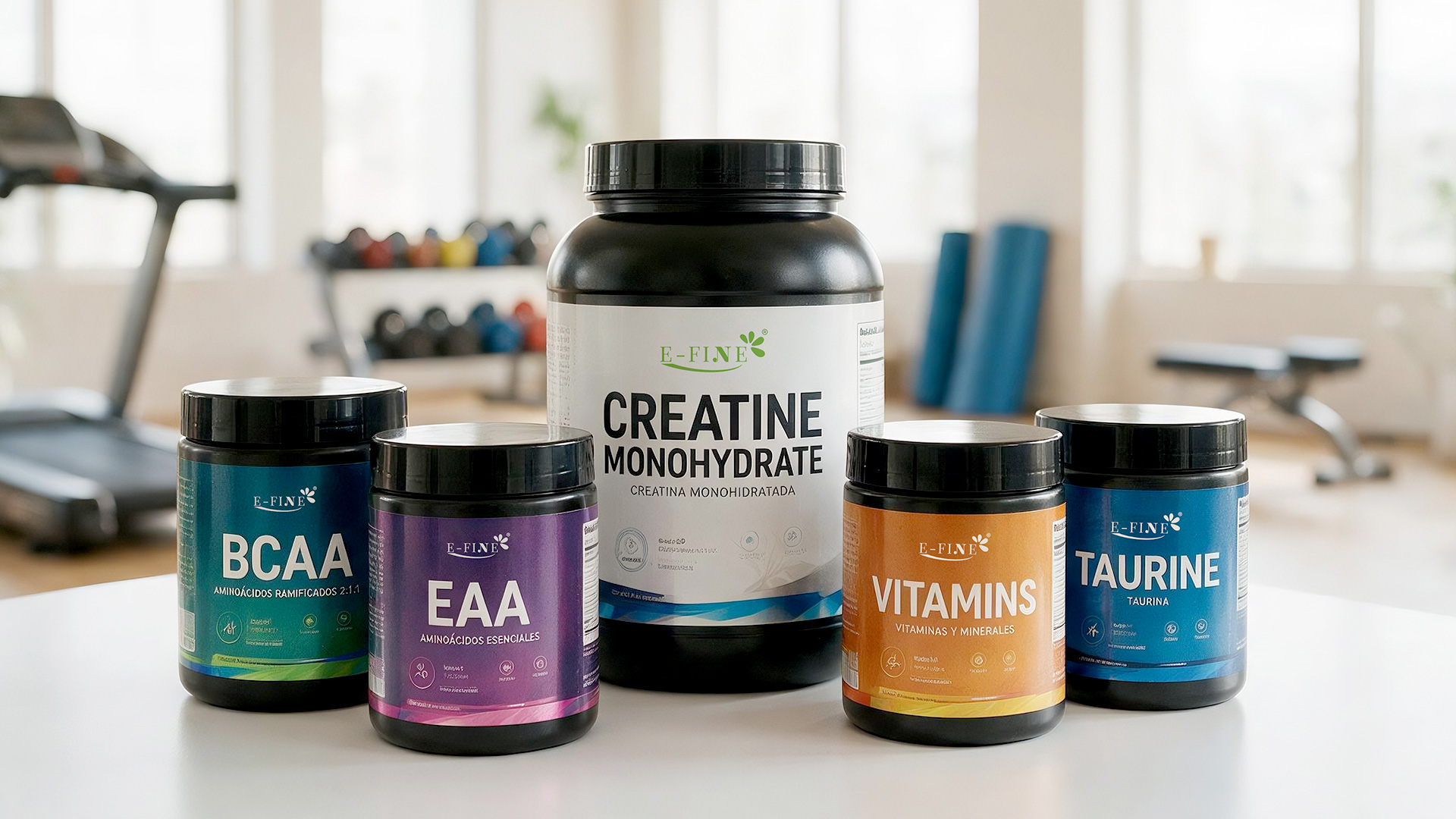
Creatine Is Expanding Beyond Traditional Sports Nutrition
Creatine has traditionally been strongly associated with sports performance and muscle-focused supplementation. Today, however, its application landscape is expanding.
Research identifies creatine as one of the most consistently supported sports nutrition ingredients for selected performance outcomes. It also highlights growing interest in creatine applications related to cognitive health and healthy aging.
Creatine monohydrate is available in multiple formats, including powders, tablets, energy bars, and drink mixes.
For manufacturers, this creates opportunities to develop:
- Creatine powders
- Pre-workout formulas
- Recovery products
- Protein-creatine blends
- Functional beverages
- Convenient single-serve formats
As sports nutrition continues to move toward everyday active nutrition, creatine may increasingly appear in products designed for consumers beyond the traditional gym audience.
Hydration and Electrolytes Are Becoming Major Growth Drivers
Protein is still the foundation of sports nutrition, but hydration is emerging as another major ingredient opportunity.
Electrolyte mixes are a particularly fast-growing category, with the market forecast to grow from approximately USD 39.6 billion in 2025 to USD 99.8 billion by 2034, representing a projected 10.8% CAGR.
Sports drinks, electrolyte powders, tablets, stick packs, and functional hydration beverages are creating new applications for ingredients such as:
- Sodium
- Potassium
- Magnesium
- Vitamins
- Functional botanical ingredients
- Other complementary nutrients
The direction of innovation is also changing. Research points toward sugar-free, clean-label, personalized, and multifunctional hydration products.
For ingredient suppliers, this means that simply supplying individual minerals may no longer be enough. Formulation support, premix capabilities, solubility, taste, stability, and regulatory documentation can all become important factors.
From Protein Powders to RTD, RTE, Bars, and Convenient Formats
One of the most important changes in sports nutrition is the evolution of product formats.
Traditional protein powders remain commercially important, but the market is increasingly moving toward ready-to-drink (RTD), ready-to-eat (RTE), bars, hydration products, gummies, shots, and other convenient formats.
This creates new technical requirements for sports nutrition ingredients.
An ingredient that performs well in a dry powder may not automatically perform well in an RTD beverage. Manufacturers may need to evaluate:
- Solubility
- Clarity
- Heat stability
- Neutral taste
- Texture
- Dispersion
- Shelf stability
- Compatibility with other ingredients
Industry research specifically identifies solubility, clarity, heat stability, neutral taste, clean label, and multifunctionality as increasingly important formulation specifications.
Taste is another critical consideration. Protein ingredients and certain amino acids can introduce bitterness, chalkiness, or other undesirable sensory characteristics. Consequently, taste masking and formulation expertise can become an important part of ingredient selection.
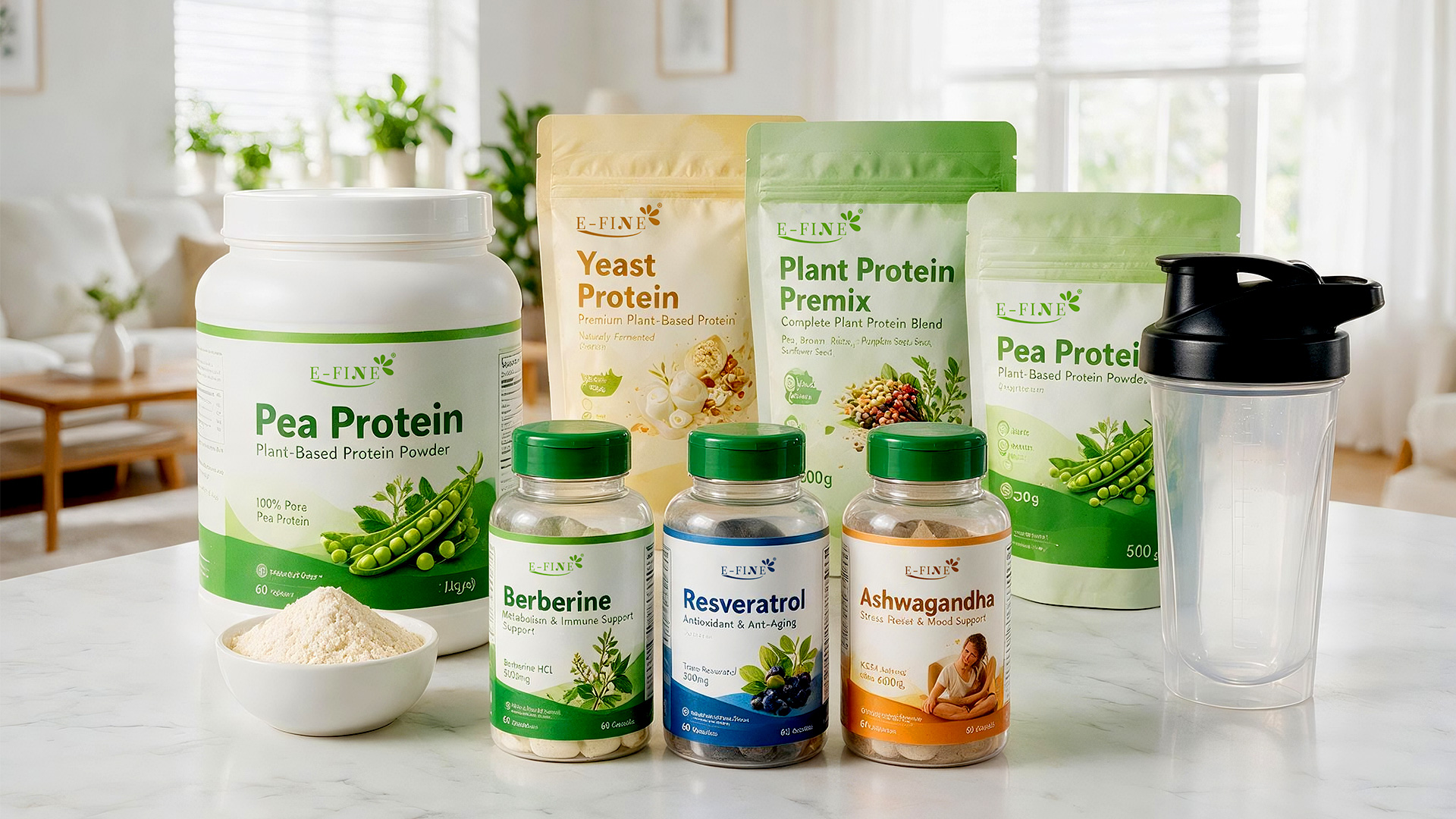
Clean Label and Plant-Based Innovation
Today’s consumers increasingly expect sports nutrition products to fit into broader healthy lifestyles.
The latest industry research identifies clean label, plant-based nutrition, functional ingredients, gut health, and personalized nutrition as major formulation drivers.
For plant-based products, the challenge is to balance nutrition with consumer experience.
Plant proteins may offer attractive positioning for vegan, vegetarian, and sustainability-focused products, but manufacturers must also address flavor, mouthfeel, solubility, and protein quality.
The research highlights innovation in clear plant proteins and blended formulas designed to overcome some of the traditional challenges associated with plant-based protein beverages and snacks.
This is an area where ingredient technology and formulation expertise can directly contribute to finished-product differentiation.
Gut Health Is Entering Sports Nutrition
The boundary between sports nutrition and general wellness is becoming increasingly blurred.
The latest industry research identifies gut health as a major innovation area, with prebiotic fibers, probiotics, and postbiotics moving into sports nutrition formats such as protein beverages and bars.
This reflects a broader shift from single-benefit sports products toward multifunctional nutrition.
For example, manufacturers can explore product concepts combining:
- Protein + Fiber
- Protein + Probiotics
- Protein + Prebiotics
- Protein + Vitamins & Minerals
- Protein + Performance Ingredients
Such combinations can help manufacturers respond to consumers who want nutritional convenience rather than multiple separate products.
Sports Nutrition Is Becoming “Active Nutrition”
Perhaps the biggest innovation is not a single ingredient, but a change in how the category is positioned.
Industry research describes a clear shift from sports-focused performance products toward everyday active nutrition, with demand increasingly centered on energy, hydration, mental focus, recovery, gut health, and convenience.
This means the potential consumer base is expanding beyond professional athletes.
Products are increasingly being developed for:
- Fitness enthusiasts
- Active adults
- Everyday consumers
- Women
- Older consumers
- Consumers seeking convenient protein
- Consumers interested in healthy aging
- Consumers seeking personalized nutrition
The research also identifies women’s sports nutrition as an underserved opportunity and highlights personalization as an important growth driver.
For ingredient suppliers, this creates opportunities to develop more targeted solutions rather than relying on one standard sports nutrition formula.
What Should Manufacturers Look for in a Sports Nutrition Ingredient Supplier?
As the market becomes more sophisticated, the purchasing decision is moving beyond price.
A reliable sports nutrition ingredient supplier should be able to support manufacturers in several areas.
1. Consistent Ingredient Quality
Consistent specifications and reliable batch-to-batch quality are essential for manufacturers producing sports nutrition products at scale.
2. Supply Security
The recent pressure on whey supply demonstrates why supply continuity and capacity planning matter. Industry research identifies security of supply as an increasingly important B2B buying criterion.
3. Application-Oriented Solutions
Manufacturers increasingly need ingredients that work in specific applications, including powders, bars, RTD beverages, stick packs, and functional foods.
4. Documentation and Compliance Support
Sports nutrition products are sold across multiple international markets, each with different requirements for ingredients, labeling, claims, and certifications.
Industry research highlights third-party certification, testing, documentation, and regulatory compliance as increasingly important competitive factors for ingredient suppliers.
5. Innovation Capability
The future of sports nutrition will not be driven by a single ingredient. Successful product development will increasingly combine proteins, amino acids, minerals, functional ingredients, and other nutrients in convenient formats.
Therefore, suppliers that can provide both ingredient quality and formulation-oriented support can create greater value for manufacturers.

The Future of Sports Nutrition Ingredients
The sports nutrition industry is moving from a relatively simple model — protein powder plus a few performance ingredients — toward a much broader and more sophisticated ingredient ecosystem.
The research points to several key directions:
- Proteins will remain the foundation of sports nutrition.
- Plant-based proteins will continue gaining share and diversifying.
- Amino acids will support more targeted nutritional formulations.
- Creatine will expand into new applications beyond traditional sports.
- Electrolytes and hydration ingredients will remain major growth areas.
- Gut-health ingredients will increasingly enter protein products and sports beverages.
- Clean-label ingredients will become increasingly important.
- RTD, RTE, bars, stick packs, and other convenient formats will create new formulation requirements.
- Personalized and women-focused nutrition will create new market opportunities.
- Quality, documentation, certification, and supply security will increasingly differentiate ingredient suppliers.
The latest industry research summarizes the opportunity as a two-track ingredient market: a protein core supported by a growing benefit-led layer that includes plant proteins, creatine, electrolytes, collagen, and gut-health ingredients.
For manufacturers, the next generation of sports nutrition products will therefore depend not only on selecting popular ingredients, but on selecting the right ingredients, specifications, formats, and combinations for a specific consumer and application.
How Tianjia Can Support Sports Nutrition Product Development
As the sports nutrition market continues to evolve, Tianjia is committed to providing high-quality food and nutrition ingredients for manufacturers developing innovative products.
From proteins and amino acids to functional nutrition ingredients, the right raw materials can help manufacturers create products designed for today’s changing consumer needs — from traditional sports supplements to convenient functional beverages, nutrition bars, and everyday active-nutrition products.
Tianjia focuses on connecting ingredient quality, reliable supply, application needs, and product innovation to help customers develop competitive nutrition solutions for global markets.
Whether you are developing a protein powder, amino acid formula, sports drink, functional beverage, nutrition bar, or next-generation active nutrition product, selecting the right ingredient partner is an important first step.
More Healthy, More Tasty
For more information, send an email to marketing@tianjiachem.com
References
1. Mordor Intelligence. Sports Nutrition Market – Size, Share & 2031 Analysis Report. Source for market sizing and segment growth data, including the 9.21% projected CAGR for plant-based sports nutrition. https://www.mordorintelligence.com/industry-reports/sports-nutrition-market (accessed August 26, 2026)
2. Research and Markets. Electrolyte Mixes Market – Size, Share, Trends, Analysis. Source for the electrolyte mixes market forecast: approximately USD 39.6 billion in 2025 to USD 99.8 billion by 2034, at a 10.8% CAGR. https://www.researchandmarkets.com/reports/5799623/electrolyte-mixes-market-size-share-trends (accessed August 26, 2026)
3. General market growth estimates (approximately 5%–9% CAGR through the early 2030s) are based on a range of publicly available market trackers covering the global sports nutrition market.
Post time: Aug-26-2026